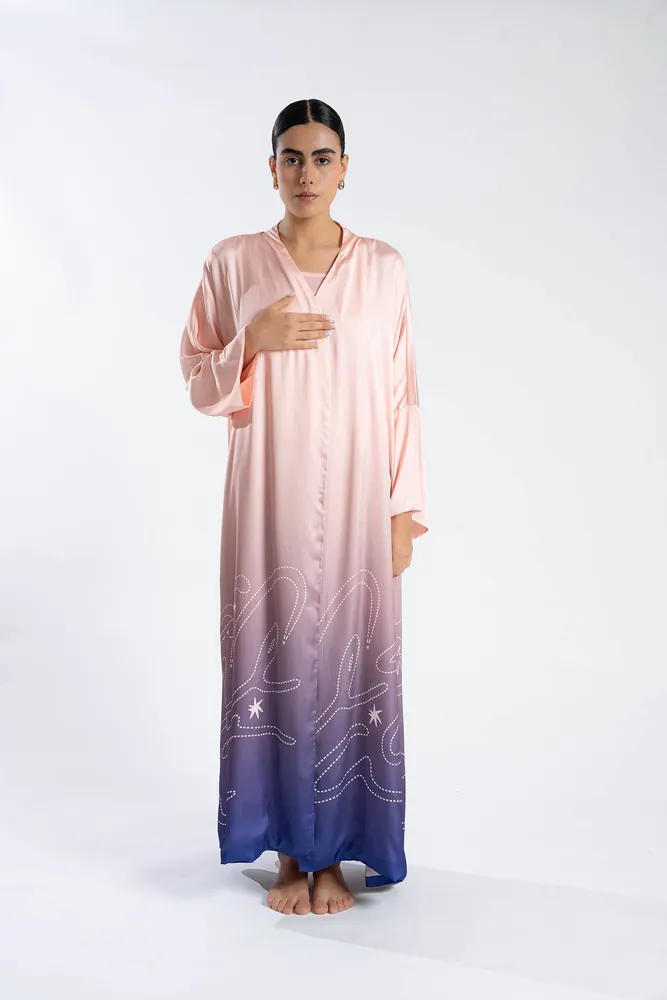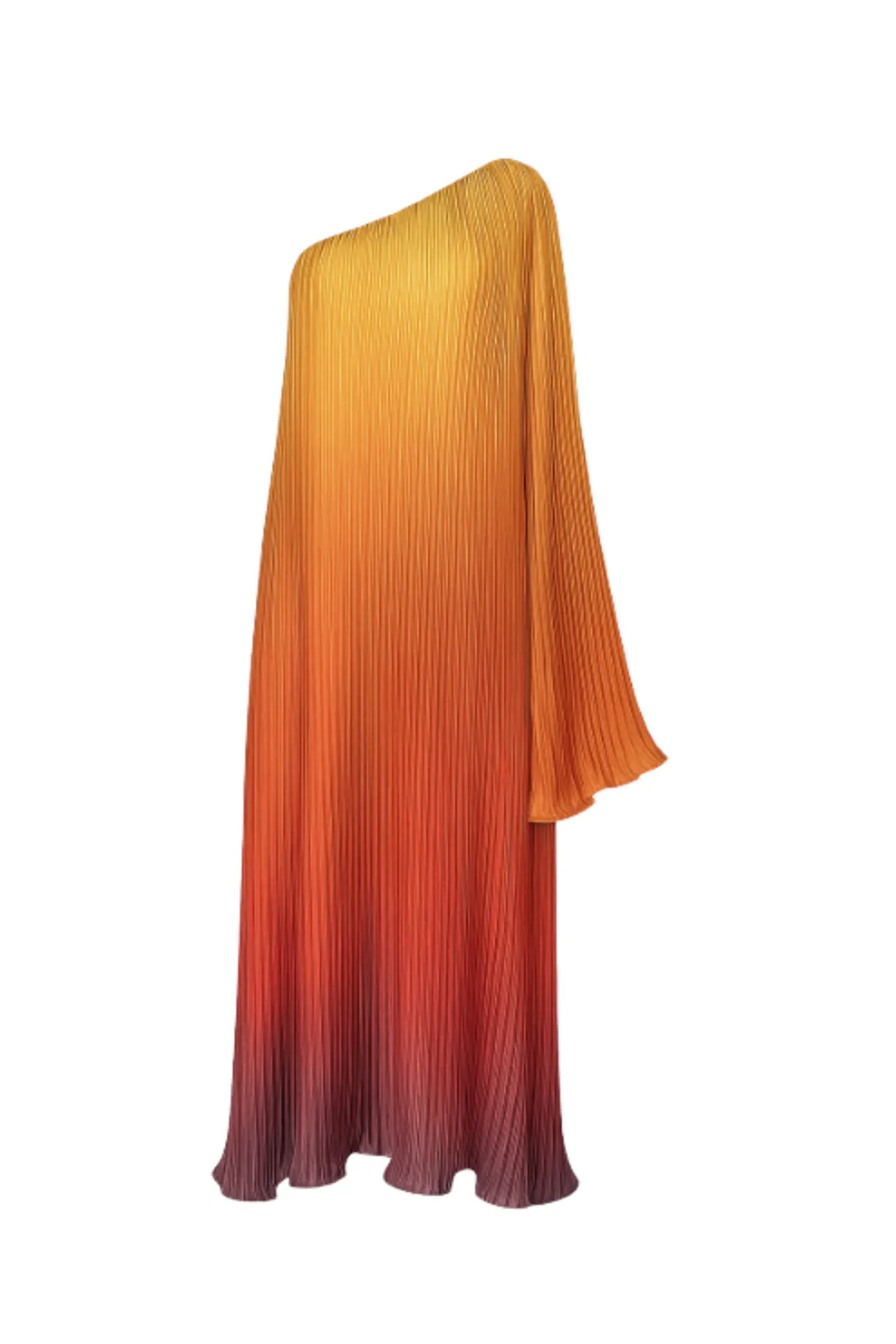
Every fashion listing has to answer the same three questions before a shopper scrolls on: what is it, what is it made of, and how will it look on me? The photo style you choose decides how well your images answer each of them. There are three styles most sellers work with — flat lay, ghost mannequin and on-model — and none of them is "the best". Each one is a tool that does some jobs well and others badly.
This guide walks through what each style is, where it shines, where it lets you down, and how to combine them into a set of images that actually helps people buy.
01Flat lay: the honest, affordable starting point
A flat lay is the garment laid flat on a surface and photographed from directly above. It is the style most small brands start with, because it needs no model, no mannequin and very little space: a clean floor or table, a large sheet of paper or fabric, and daylight from a window.
What it does well
- It shows the whole piece at once, including the shape of the collar, hem and sleeves.
- It is consistent. Once you have a setup, every product in a collection looks like it belongs to the same family.
- It is quick to restyle with accessories for social media, where styled flat lays work well.
Where it falls short
- Fabric does not drape when it lies flat. A flowing abaya, a pleated skirt or a wrap dress loses exactly the movement that makes it attractive.
- Shoppers cannot judge fit or length. A flat lay tells them nothing about how the piece sits on a body.
- Small creases and uneven edges show up very clearly from above, so preparation (steaming, pinning) takes more time than people expect.
Flat lays are a strong choice for structured items such as t-shirts, knitwear, children's clothing and accessories. For pieces whose appeal depends on how they fall, they are rarely enough on their own.
02Ghost mannequin: shape without a person
The ghost mannequin (also called invisible mannequin) technique photographs the garment on a mannequin, then removes the mannequin in editing. Usually a second shot of the inside of the neckline or the back is combined with the first so the piece looks hollow and three-dimensional, as if worn by an invisible person.
What it does well
- The garment keeps its volume, so shoppers see the real silhouette: how wide the shoulders are, how the waist is shaped, where the hem falls.
- It keeps attention on the product, with no face, hair or pose to distract.
- It produces very clean, uniform images that suit catalogue grids and marketplace listings.
Where it falls short
- It needs a mannequin in the right size and shape, plus careful retouching for every image. That editing step is where most of the cost and time goes.
- It still does not show the garment on a real body, so shoppers have to imagine fit, movement and scale.
- Very soft or long pieces (maxi dresses, kaftans, wide trousers) can look stiff on a mannequin.
Ghost mannequin images are a good fit for tailored pieces, outerwear, shirts and anything where structure is the selling point.
03On-model: the closest thing to trying it on
On-model photography shows the piece worn by a person. It is the style that answers the third question — how will it look on me? — most directly, which is why it dominates fashion advertising and lookbooks.
What it does well
- It shows fit, length, drape and movement in a way the other two styles cannot.
- It carries mood and context. A light linen set on a model by the sea tells a story that a flat lay on white does not.
- It helps shoppers project themselves into the image, especially when the models, styling and settings reflect your actual customers.
Some marketplaces actively encourage it. Noon's seller help centre, for example, recommends that adult apparel be shot on models rather than as flat lays or on hangers (with exceptions for swimwear and underwear), while it recommends flat lays or hangers for kids' apparel. See our marketplace image checklist for the details and sources.
Where it falls short
- A traditional shoot is the most expensive and slowest option: models, a photographer, a location or studio, styling, hair and make-up, then selection and retouching.
- It is hard to keep consistent across a catalogue, especially when you add new products every month and the original model or location is no longer available.
- Reshooting a single new colour or size means organising the whole shoot again.
04Comparing the three styles
There is no single winner. A simple way to choose is to look at what the shopper needs to understand about the piece:
- If the detail is the selling point (a print, embroidery, a fabric texture), you need sharp, close, evenly lit images. Flat lay or ghost mannequin plus close-ups usually works best.
- If the shape is the selling point (tailoring, a structured jacket, a bag), ghost mannequin or a clean product shot shows it most clearly.
- If the movement or fit is the selling point (abayas, kaftans, dresses, wide trousers, anything draped), on-model images are hard to replace.
Most strong product pages combine styles: a clean primary image that follows the marketplace's rules, one or more on-model images that show fit and drape, and close-ups for fabric and finishing.
05Where AI on-model generation fits
The main reason sellers skip on-model images is not that they do not want them — it is the cost and logistics of organising a shoot for every product. That is the gap AI on-model generation is designed to close.
With a studio like TallaAI, you start from the product photo you already have — a flat lay, a ghost mannequin image or an on-model shot — and generate images of the same piece worn by a model. You choose the pose, the light and the location, swap the background, and keep the same look across a whole collection so your catalogue reads as one consistent lookbook. Outputs go up to 4K, and short video clips are possible too.
It does not replace every kind of shoot. A campaign built around a specific person or a real place is still a job for a photographer. But for the everyday work of putting every product on a model, in a consistent style, at the speed your catalogue changes, it removes most of the friction.
Two practical notes if you go this route:
- The quality of your input decides the quality of the output. A clean, well-lit, wrinkle-free product photo gives the model much more to work with. Our guide on how to photograph your product for AI covers the details.
- Always check the result against the real garment. Colour, length, pattern placement and details such as buttons must match what the customer will receive. Accurate images build trust; images that oversell lead to returns.
06A simple image set to aim for
If you are building or refreshing your listings, this is a sensible default for each fashion product:
- A clean primary image that meets the rules of the platform you sell on (front view, plain background, whole product visible).
- One or two on-model images that show fit, length and drape from the front and side or back.
- A close-up of the fabric, print or most important detail.
- Optionally, a styled or lifestyle image in a setting that matches your brand.
Start with the products that matter most — your bestsellers and new arrivals — and build the habit from there. If you want to try generating on-model images from your existing photos, TallaAI works on credit packs with no subscription, and the credits never expire.